
Tanzania Luxury Tours is one of those rare destinations that rewards ambition. Within a single country you can watch the Great Migration thunder across the Serengeti, descend into the wildlife-packed Ngorongoro Crater, track chimpanzees beside a remote lake, and then sink your toes into white sand on the shores of the Indian Ocean. Luxury tours turn that variety into a seamless, beautifully paced journey.
This guide explores what Tanzania luxury tours include, the main tour styles and sample itineraries, the best seasons, what you can expect to pay, and how to choose an operator and plan a trip that fits your interests.
What Are Tanzania Luxury Tours?
A luxury tour in Tanzania is a carefully designed journey that combines exceptional destinations with high standards of comfort, privacy, and service. Most are tailor-made rather than fixed departures, built around your dates, interests, and travelling party.
Typical features include:
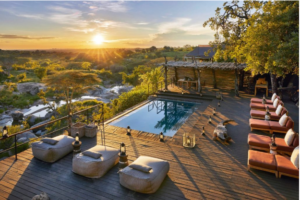
- Handpicked accommodation. Small camps and lodges in prime locations, chosen for design, service, and setting.
- Private guiding. A dedicated guide and vehicle, so you control the pace and focus of each day.
- Seamless logistics. Airport meet-and-greet, private transfers, and light-aircraft flights between regions to save time on rough roads.
- Exclusive experiences. Hot-air balloon flights, walking safaris, bush dinners, and cultural encounters that go beyond the standard itinerary.
- Personal support. A single planner who manages the details and a team on the ground who can adapt the trip as conditions change.
- Responsible practice. Operators that employ local staff, support conservation, and minimise their environmental footprint.
Types of Luxury Tours in Tanzania
Classic Northern Circuit Safari
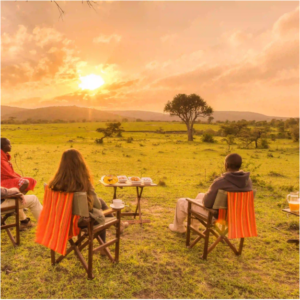
The northern circuit links Tarangire, Lake Manyara, Ngorongoro, and the Serengeti, delivering variety and reliability. It is the most popular choice for first-time visitors and works well year-round, with the Serengeti as the centrepiece.
Great Migration Tour
This tour is built around the herds, with camps positioned to match their movements, from calving in the south to river crossings in the north. Mobile camps are a popular choice, since they relocate with the wildlife. Because the herds follow the rains, flexibility and an experienced planner are essential.
Southern and Western Wilderness Tour
For travellers seeking solitude, itineraries in Nyerere, Ruaha, Katavi, and Mahale offer remote landscapes, boat and walking safaris, and chimpanzee trekking. Visitor numbers are low, and the sense of wildness is strong, though access usually involves light aircraft and more limited choice.
Safari and Beach Combination
Many luxury tours finish with several days on Zanzibar, Mafia Island, or another coastal retreat. After days of early starts and dusty drives, a few nights of barefoot relaxation, snorkelling, and Swahili cuisine make an ideal contrast.
Family Luxury Tours
Family itineraries are shaped around children’s ages and interests, with private vehicles, flexible schedules, family suites, and activities such as junior ranger programmes and cultural visits. Many camps welcome children, though some have minimum ages, so planning ahead matters.
Honeymoon and Romantic Tours
Couples often choose intimate camps with private decks, candlelit bush dinners, balloon flights, and a beach finish. The privacy of small camps and the drama of the landscape create a naturally romantic setting.
Photography Tours
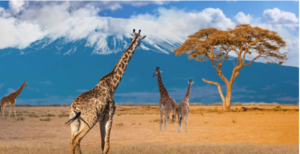
Photographic itineraries use specialist vehicles, extra time at sightings, and guides who understand light and composition. Calving season and river crossings are especially popular with photographers.
Adventure Extensions
For active travellers, luxury tours can include a Kilimanjaro climb, walking safaris, cycling, or fly-camping. These extensions add physical challenge while keeping comfort and logistics at a high level.
Sample Luxury Tour Itineraries
A Classic 8-Day Tour
- Days 1 to 2: Tarangire. Begin with elephants and baobabs, easing into safari life.
- Days 3 to 4: Ngorongoro. Stay on the crater rim and descend early for wildlife viewing.
- Days 5 to 7: Serengeti. Fly into the Serengeti and spend three nights in the area best placed for the season.
- Day 8: Departure. Fly to Arusha for your onward connection.
A 12-Day Safari and Beach Journey
- Days 1 to 3: Tarangire and Ngorongoro. Wildlife and landscapes across the northern parks.
- Days 4 to 8: Serengeti. Five nights split across two camps for variety.
- Days 9 to 12: Zanzibar. Relax on the coast, explore Stone Town, and enjoy the sea.
A 14-Day Wild Tanzania Tour
- Days 1 to 4: Serengeti. Classic wildlife and the migration.
- Days 5 to 8: Ruaha or Nyerere. Remote safaris with walking and boating.
- Days 9 to 12: Mahale. Chimpanzee trekking on Lake Tanganyika.
- Days 13 to 14: Zanzibar or a quiet coastal stay. A restful finish.
Best Time for a Luxury Tour in Tanzania
Tanzania can be visited year-round, but each season offers something different.
- June to October: The dry season, with excellent game viewing and Mara River crossings from roughly July. This is the busiest and most expensive period.
- January to March: Calving season in the southern Serengeti, with warm weather and fewer visitors.
- November and December: Short rains, green landscapes, and good birdlife, with quieter conditions.
- April and May: Long rains, lowest rates, and the fewest visitors, though some camps close.
If you want to combine a safari with the coast, the dry months and the period from December to March are generally comfortable on Zanzibar, though conditions vary.
What Do Tanzania Luxury Tours Cost?
Prices vary with itinerary, season, and accommodation level. As a general guide, luxury tours often cost from around 700 to well over 2,000 US dollars per person per night, with remote camps, peak migration dates, and private villas at the upper end. A one-week luxury safari therefore commonly runs to several thousand dollars per person, and longer or more exclusive trips cost considerably more. International flights are normally extra.
Check carefully what is included. Typical inclusions are accommodation, meals, drinks, guided activities, park fees, and internal transfers, but this varies between operators and properties. Balloon flights, premium drinks, and some activities may be additional. A specialist can provide current pricing and explain exactly what is covered.
How to Choose a Luxury Tour Operator
The operator shapes your experience as much as the destination. Consider the following.
- Local expertise. Choose a company with deep knowledge of Tanzania, including camps, guides, and seasonal conditions.
- Genuine tailoring. A good planner asks about your interests and builds the trip around them rather than selling a template.
- Guide quality. Ask about guide qualifications, experience, and whether you can request specialist interests.
- Transparency. Look for clear pricing, inclusions, and cancellation terms.
- Reputation. Read recent reviews and ask for references where possible.
- Support on the ground. Make sure there is a reliable local team if plans change.
- Responsible practice. Check how the company supports conservation, communities, and fair employment.
- Financial protection. Ask about insurance, licences, and protection for your payments.
Practical Planning Tips
- Book early. The best small camps often sell out nine to twelve months ahead for peak season.
- Allow enough time. Seven to ten days is a sensible minimum for a northern circuit, with longer for combinations.
- Pack light. Light aircraft have strict luggage limits, and soft-sided bags are best.
- Dress in layers. Early mornings can be cold, especially on the crater rim and in open vehicles.
- Sort health and entry requirements. Consult a travel clinic about vaccinations and malaria precautions, and check current visa and entry rules.
- Buy comprehensive travel insurance, including medical evacuation cover.
- Tip with care. Tipping guides and camp staff is customary, and your operator can suggest sensible levels.
Travelling Responsibly
Tanzania’s wildlife areas rely on tourism income to fund conservation and support communities. Choose tours that use local guides and staff, favour camps with sound environmental practices, and contribute to anti-poaching and community projects. Respect wildlife by keeping a safe distance, and follow your guide’s instructions. Responsible travel helps keep Tanzania’s landscapes and wildlife thriving.
Conclusion
Tanzania luxury tours blend extraordinary wildlife, spectacular landscapes, and exceptional service into journeys that feel both adventurous and effortless. Whether you choose a classic northern circuit, follow the Great Migration, venture into the wild south, or finish with a barefoot beach stay, the right planning transforms a good trip into an extraordinary one. Decide what matters most, choose a knowledgeable operator, book early, and allow enough time to savour each place. The result will be a journey that stays with you long after you return home.
Key Takeaways
- Tanzania luxury tours combine handpicked camps, private guiding, and seamless logistics into tailor-made journeys.
- Popular styles include the northern circuit, migration tours, southern wilderness tours, and safari-and-beach combinations.
- The dry season, June to October, is peak time, while January to March suits calving and fewer crowds.
- Luxury tours often cost roughly 700 to over 2,000 US dollars per person per night, with flights usually extra.
- Choose an operator for local expertise, genuine tailoring, guide quality, and transparency.
- Allow at least seven to ten days, and book nine to twelve months ahead for peak season.
- Responsible tourism supports the conservation and communities that make Tanzania special.
Frequently Asked Questions
What are Tanzania luxury tours? They are tailor-made journeys that combine prime destinations with high-end camps and lodges, private guiding, and seamless logistics, often including a beach stay on Zanzibar.
How much do Tanzania luxury tours cost? Luxury tours commonly range from roughly 700 to over 2,000 US dollars per person per night, depending on season, camp, and exclusivity. International flights are normally additional.
How many days do I need for a luxury tour? Seven to ten days works well for a northern circuit. Twelve to fourteen days allows you to add the south, chimpanzee trekking, or a beach stay.
When is the best time to go? June to October offers classic dry-season viewing and river crossings, while January to March is ideal for calving and quieter conditions.
Can I combine a safari with Zanzibar? Yes. Safari-and-beach tours are among the most popular, offering a relaxing finish after active days in the bush.
Are luxury tours suitable for families? Many are. Family itineraries use private vehicles, flexible schedules, and family-friendly camps, though some properties have minimum ages.
Can I climb Kilimanjaro as part of a luxury tour? Yes. Luxury operators can arrange Kilimanjaro climbs with upgraded support, and combine them with a safari and a beach stay.
Is Tanzania safe for luxury travellers? Travel on organised tours with reputable operators is generally considered safe. Follow your guide’s advice and check current government travel guidance before departure.
How far ahead should I book? For peak season, book nine to twelve months ahead, or earlier for the most sought-after camps.

