
Nestled in the northwestern corner of Rwanda, Volcanoes National Park stands as one of Africa’s most remarkable wildlife sanctuaries and the crown jewel of gorilla conservation. This ancient rainforest, draped across a chain of dormant volcanoes, offers visitors an extraordinary opportunity to encounter mountain gorillas in their natural habitat. For those seeking an authentic wilderness experience combined with profound wildlife encounters, gorilla trekking safaris to Volcanoes National Park represent a bucket-list adventure that transforms perspectives and creates lifelong memories.
The Majesty of Volcanoes National Park
Volcanoes National Park encompasses approximately 160 square kilometers of montane forest and bamboo-covered slopes, forming part of the greater Virunga Conservation Area that spans Rwanda, Uganda, and the Democratic Republic of Congo. The park derives its name from the chain of volcanic mountains that dominate its landscape, including Mount Karisimbi, Mount Bisoke, Mount Muhabura, Mount Gahinga, and Mount Sabyinyo. These towering peaks, shrouded in mist and mystery, create a dramatic backdrop for one of nature’s most intimate wildlife experiences.
The park’s elevation ranges from 2,400 to 4,507 meters above sea level, creating diverse ecological zones that support rich biodiversity. Beyond the famous mountain gorillas, the park shelters golden monkeys, forest elephants, buffalo, spotted hyenas, and over 200 bird species. However, the true stars of Volcanoes National Park remain the mountain gorillas, with approximately 600 individuals residing in the Virunga Massif, making it one of only two places on Earth where these magnificent primates can be observed in the wild.
Understanding Mountain Gorillas
Mountain gorillas represent one of humanity’s closest living relatives, sharing approximately 98% of our DNA. These gentle giants are characterized by their thick black fur, which helps them withstand the cold temperatures of their high-altitude habitat. Adult males, known as silverbacks due to the distinctive silver-grey hair that develops on their backs with maturity, can weigh up to 220 kilograms and stand 1.8 meters tall when upright.
Living in family groups typically consisting of one dominant silverback, several females, and their offspring, mountain gorillas exhibit complex social behaviors that mirror human families in fascinating ways. They communicate through vocalizations, gestures, and body language, displaying emotions ranging from playfulness and curiosity to protectiveness and contemplation. Observing these behaviors during a trek creates profound connections that challenge preconceptions about the boundaries between humans and wildlife.
The species faced near-extinction in the 1980s, with populations dwindling to fewer than 250 individuals. Thanks to intensive conservation efforts, including anti-poaching patrols, veterinary interventions, and community engagement programs, mountain gorilla numbers have steadily increased, representing one of conservation’s greatest success stories. Today, they remain critically endangered, making every encounter a privilege and a responsibility.
Planning Your Gorilla Trekking Safari
Successful gorilla trekking safaris to Volcanoes National Park require careful planning and preparation. The cornerstone of your trip is securing a gorilla trekking permit, which grants access to spend one precious hour with a habituated gorilla family. These permits are issued by the Rwanda Development Board and are limited to protect the gorillas from stress and disease transmission. Currently priced at $1,500 per person, permits should be booked well in advance, particularly during peak seasons from June to September and December to February.
Most visitors base themselves in the nearby town of Musanze, formerly known as Ruhengeri, which offers accommodation options ranging from budget guesthouses to luxury lodges. Several high-end properties have established themselves within striking distance of the park headquarters, providing comfort and convenience for trekkers. The proximity to the park allows for early morning departures, crucial for maximizing your chances of spending quality time with the gorillas.
The ideal duration for a gorilla trekking safari spans three to four days, allowing for acclimatization, the trek itself, and potential additional activities. This timeframe also provides a buffer in case weather conditions or gorilla movements necessitate flexibility. Many travelers combine their Volcanoes National Park experience with visits to other Rwandan attractions, including Nyungwe Forest National Park, Lake Kivu, or the capital city of Kigali with its sobering genocide memorials.
The Trekking Experience
Gorilla trekking begins at the park headquarters in Kinigi, where visitors gather for a mandatory briefing at 7:00 AM. Rangers explain the rules of engagement, safety protocols, and what to expect during the trek. Visitors are assigned to groups of eight, each group tracking a specific habituated gorilla family. Volcanoes National Park is home to twelve habituated groups, each with distinct characteristics and family dynamics.
The trek’s difficulty varies considerably depending on which family you track and where they nested the previous night. Some encounters occur within an hour of hiking, while others demand four to six hours of challenging terrain navigation through dense vegetation, steep slopes, and muddy trails. The unpredictability forms part of the adventure’s essence, as gorillas are wild animals that move freely throughout their territory.
Physical fitness significantly impacts the experience. While the trek doesn’t require mountaineering expertise, reasonable cardiovascular fitness and the ability to hike on uneven terrain prove essential. The altitude, combined with the physical exertion, can challenge even regular hikers. Porters are available for hire, providing assistance with carrying bags and offering steadying hands on difficult sections, and their employment directly benefits local communities.
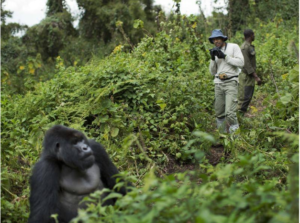
The moment you first glimpse a mountain gorilla through the foliage ranks among life’s most extraordinary experiences. The sheer size and power of these primates, combined with their surprising gentleness and curiosity, creates an emotional impact that photographs cannot capture. During your allocated hour, you observe the family’s daily activities: feeding on bamboo shoots and wild celery, juveniles playing and tumbling over each other, mothers nursing infants, and the silverback maintaining watchful authority over his troop.
Beyond Gorilla Trekking
While mountain gorillas rightfully claim center stage, Volcanoes National Park offers additional experiences that enrich your safari. Golden monkey tracking provides opportunities to observe these endangered primates, characterized by their striking golden-orange fur patches. More acrobatic than gorillas, golden monkeys leap through the bamboo forest canopy, offering different photographic and observational challenges.
Volcano hiking appeals to adventure enthusiasts, with Mount Bisoke being the most popular choice. The trek to the summit, which features a stunning crater lake, typically takes six to eight hours round trip. Mount Karisimbi, Rwanda’s highest peak, requires a two-day expedition with overnight camping, rewarding climbers with spectacular views across the Virunga range.
Cultural experiences surrounding the park provide insight into Rwanda’s recovery and community conservation model. Visits to the Iby’Iwacu Cultural Village allow interaction with former poachers who have transitioned to tourism-related livelihoods. Traditional dancing, archery demonstrations, and banana beer tasting offer glimpses into the heritage of communities living alongside mountain gorillas. These interactions highlight how conservation success depends on ensuring local populations benefit from wildlife protection.
The Dian Fossey Gorilla Fund International operates the Ellen DeGeneres Campus near the park, where visitors can learn about gorilla research and conservation efforts. The opportunity to hike to Fossey’s former research station at Karisoke and her gravesite, where she rests alongside gorillas she studied and protected, provides historical context to current conservation achievements.
Conservation and Responsible Tourism
Gorilla trekking safaris to Volcanoes National Park exemplify conservation-focused tourism at its finest. Revenue from permit sales directly funds park operations, anti-poaching efforts, and community development programs. This model has transformed local attitudes toward gorillas from viewing them as threats to crops and competition for resources to recognizing them as valuable assets worthy of protection.
Responsible trekking requires adherence to strict guidelines designed to protect gorilla health and minimize disturbance. Visitors must maintain a seven-meter distance from gorillas, though the animals themselves may approach closer out of curiosity. Photography is permitted without flash, and any signs of illness, including common colds, prohibit participation as gorillas are highly susceptible to human diseases. The one-hour time limit, while seemingly brief, prevents excessive stress on the gorilla families.
Rwanda’s commitment to conservation extends beyond park boundaries through revenue-sharing schemes that direct tourism income toward community projects including schools, health centers, and infrastructure improvements. This approach has fostered genuine support for gorilla protection among local populations, who now serve as the first line of defense against poaching and habitat destruction.
Practical Considerations and Tips
Successful gorilla trekking requires appropriate preparation. Essential gear includes sturdy, waterproof hiking boots with good ankle support, long-sleeved shirts and trousers in neutral colors to protect against stinging nettles, a waterproof jacket, gardening gloves for gripping vegetation, and a comfortable daypack. Layers are crucial as temperatures vary significantly with altitude and time of day.
Photography equipment should be kept simple and practical. While professional cameras capture stunning images, the challenging lighting conditions under the forest canopy and the need to remain quiet and unobtrusive make smartphone cameras or compact digital cameras equally viable. The focus should remain on experiencing the moment rather than viewing it entirely through a lens. Extra batteries and memory cards are essential, as cold temperatures drain batteries quickly.
Health preparations include ensuring routine vaccinations are current and considering additional immunizations such as yellow fever, which may be required for entry into Rwanda. Altitude acclimatization benefits those arriving from sea level, making an extra day in Musanze before trekking advisable. Travel insurance should cover medical evacuation, as serious injuries in remote locations may require helicopter transport.
The climate in Volcanoes National Park can change rapidly, with mornings often clear before afternoon clouds roll in bringing rain. The long rainy season extends from March to May, while the short rains occur in November. However, the park remains open year-round, and rain shouldn’t deter visits as gorillas don’t adjust their routines for weather. Some travelers prefer wet season trekking due to lower permit demand and lusher vegetation, though trails become more challenging.
Making Your Safari Meaningful
The experience of gorilla trekking transcends simple wildlife observation. These encounters foster deep emotional connections that often inspire long-term commitment to conservation causes. Many visitors describe their hour with mountain gorillas as life-changing, prompting reflection on humanity’s relationship with nature and responsibility toward endangered species.
Maximizing your safari’s impact involves engaging with conservation organizations active in the region. Donations to groups like the Dian Fossey Gorilla Fund, the Rwanda Development Board’s conservation programs, or community development initiatives extend your positive influence beyond the trek itself. Sharing your experiences through social media and personal networks raises awareness about mountain gorilla conservation needs and Rwanda’s tourism offerings.
The economic impact of your visit extends throughout local communities. Hiring local guides, purchasing handicrafts from cooperatives, and choosing locally-owned accommodation multiplies tourism benefits. These choices ensure that gorilla conservation remains economically viable for communities that live alongside protected areas, strengthening the incentive structure that supports wildlife protection.
The Future of Gorilla Tourism
Volcanoes National Park stands at the forefront of sustainable wildlife tourism, demonstrating how high-value, low-impact visitation can fund conservation while supporting economic development. The model has inspired similar initiatives across Africa and globally, proving that wildlife holds greater value alive than as commodities.
Looking forward, the challenges facing mountain gorilla conservation include disease transmission risks, climate change impacts on habitat, and maintaining genetic diversity in small populations. Continued research, cross-border cooperation between Rwanda, Uganda, and the Democratic Republic of Congo, and sustained funding from tourism revenues remain critical to long-term survival.
Rwanda’s vision extends beyond preservation to restoring degraded habitats and expanding protected areas. The Gishwati-Mukura National Park, established in 2015, represents efforts to create wildlife corridors and increase available habitat for growing gorilla populations. Success in Volcanoes National Park provides both a blueprint and funding source for these ambitious conservation goals.
Conclusion
Gorilla trekking safaris to Volcanoes National Park represent far more than wildlife viewing experiences. They embody the possibility of harmonious coexistence between humans and endangered species, demonstrate the economic value of conservation, and create profound personal connections that transcend the boundaries between humans and our closest living relatives. The mist-shrouded volcanoes of northwestern Rwanda harbor not just mountain gorillas but also hope for conservation’s future and testament to what humanity can achieve when we prioritize protection over exploitation.
The journey to encounter mountain gorillas demands physical effort, financial investment, and careful planning, yet rewards visitors with memories and insights that resonate for lifetimes. Each trek contributes directly to the survival of one of Earth’s most endangered species while supporting communities that have transformed from threats to champions of gorilla conservation. As you lock eyes with a silverback gorilla or watch juveniles playing in the forest undergrowth, you become part of a remarkable conservation success story, connected to these magnificent creatures and invested in their continued survival.
For those seeking authenticity, adventure, and meaningful engagement with the natural world, few experiences rival gorilla trekking in Volcanoes National Park. The privilege of spending time with mountain gorillas in their misty mountain home remains one of Africa’s most treasured wildlife encounters, a journey that touches the soul and transforms perspectives on our place within the natural world.
Key Takeaways
- Volcanoes National Park in northwestern Rwanda protects approximately 600 mountain gorillas, roughly half the world’s remaining population of this critically endangered species
- Gorilla trekking permits cost $1,500 per person and must be booked well in advance, particularly during peak seasons from June to September and December to February
- The trekking experience varies in difficulty depending on gorilla family location, potentially requiring one to six hours of hiking through challenging mountain terrain
- Visitors spend a strictly regulated one hour with their assigned gorilla family, maintaining a minimum seven-meter distance to protect gorilla health
- Revenue from gorilla tourism directly funds conservation efforts and community development, creating economic incentives for gorilla protection among local populations
- Physical fitness, appropriate gear including waterproof hiking boots and rain protection, and adherence to health guidelines ensure successful and responsible trekking experiences
- Beyond gorilla trekking, the park offers golden monkey tracking, volcano hiking, and cultural experiences that provide broader context to conservation efforts
- Mountain gorilla populations have recovered from near-extinction in the 1980s thanks to intensive conservation efforts, representing one of wildlife protection’s greatest success stories
Frequently Asked Questions
How difficult is gorilla trekking in Volcanoes National Park?
The difficulty level varies significantly depending on which gorilla family you’re assigned and their location on trekking day. Some treks involve just one to two hours of moderate hiking, while others require four to six hours through steep, muddy terrain at high altitude. Reasonable fitness is essential, but you don’t need to be an athlete. Porters are available to carry equipment and provide assistance, making the trek more manageable for those with concerns about physical capability.
What is the best time of year for gorilla trekking?
Gorilla trekking occurs year-round in Volcanoes National Park, as gorillas don’t migrate or hibernate. The dry seasons from June to September and December to February offer easier hiking conditions with less mud and rain, making them most popular with visitors. However, the wet seasons from March to May and November feature lusher vegetation, fewer tourists, and gorillas are equally visible regardless of weather. Rain should be expected any time of year given the mountain climate.
Can I guarantee seeing gorillas during my trek?
While no wildlife encounter is 100% guaranteed, gorilla sightings during organized treks in Volcanoes National Park have a success rate exceeding 95%. Trackers locate the gorilla families before trekking groups depart, and rangers maintain communication throughout the trek to guide you to the gorillas’ location. The habituated families are monitored daily, making failed sightings extremely rare.
What are the age restrictions for gorilla trekking?
The minimum age for gorilla trekking is 15 years old, enforced without exception. This restriction protects both young visitors and gorillas, as the trek can be physically demanding and young people may have difficulty following the strict behavioral guidelines necessary to protect gorilla health and safety.
How close can I get to the gorillas?
Regulations require visitors to maintain a minimum seven-meter distance from gorillas to minimize disease transmission risk and prevent stress to the animals. However, gorillas don’t recognize this rule and may approach you out of curiosity. If this occurs, you should remain calm and still, allowing the gorilla to pass or retreat on their own terms. Rangers provide guidance to manage these situations safely.
What happens if I’m sick on the day of my trek?
If you’re experiencing any symptoms of illness, including common colds, flu, or stomach upset, you must not participate in gorilla trekking due to disease transmission risks. Mountain gorillas are highly susceptible to human diseases, which can be fatal to them. In such cases, you should contact the Rwanda Development Board as early as possible. While standard policy doesn’t provide refunds, showing medical documentation may allow permit rescheduling or transfer depending on availability and circumstances.
How should I prepare physically for the trek?
Begin cardiovascular training several weeks before your trip, focusing on activities like hiking, stair climbing, and walking on inclined terrain. The combination of altitude, steep slopes, and potentially muddy conditions demands reasonable fitness. Practice hiking with a daypack to simulate trek conditions. If you have concerns about fitness levels, inform your tour operator in advance so they can request assignment to gorilla families typically found at lower elevations or closer to the starting point.

