
For decades, the safari experience seemed reserved exclusively for those with full mobility, with its rugged terrain, remote locations, and traditional 4×4 vehicles presenting seemingly insurmountable barriers. However, the landscape of accessible travel has transformed dramatically, and wheelchair accessible Tanzania safari have evolved from rare exceptions to increasingly available options that allow travelers with mobility challenges to experience the wonder of Africa’s wildlife and landscapes. This comprehensive guide explores everything you need to know about planning an accessible safari adventure in Tanzania, proving that wildlife dreams know no physical boundaries.
The Evolution of Accessible Safari Tourism
Tanzania has emerged as a progressive leader in accessible safari tourism within East Africa. Recognizing that travelers with disabilities represent a significant and underserved market, forward-thinking safari operators, lodge owners, and conservation authorities have invested substantially in accessible infrastructure and specialized services. This shift reflects both ethical commitment to inclusive tourism and practical business sense, as accessible travel generates substantial economic benefits while expanding the conservation constituency to include all travelers regardless of physical ability.
The transformation hasn’t happened overnight. Early accessible safari attempts often involved makeshift accommodations and improvised solutions that, while well-intentioned, failed to deliver truly dignified and enjoyable experiences. Today’s wheelchair accessible Tanzania safari operations utilize purpose-built facilities, specially modified vehicles, trained staff, and comprehensive accessibility features that enable travelers with mobility challenges to experience authentic safari adventures comparable to those enjoyed by able-bodied visitors.
Understanding Accessibility in Tanzania’s Safari Context
Accessibility in safari environments presents unique challenges distinct from urban or resort accessibility. Tanzania’s national parks and conservation areas encompass vast wilderness regions with minimal infrastructure, uneven terrain, and deliberate preservation of natural landscapes that preclude extensive modification. However, several parks and private concessions have successfully balanced accessibility improvements with environmental conservation, creating opportunities for wheelchair users to experience game viewing, wildlife photography, and cultural encounters.
The Ngorongoro Conservation Area, with its dramatic crater floor teeming with wildlife, offers some of Tanzania’s most accessible viewing opportunities. The crater rim provides spectacular panoramic vistas accessible to wheelchair users, while certain crater floor locations can accommodate modified vehicles allowing close wildlife encounters. Tarangire National Park, known for massive elephant herds and distinctive baobab trees, features several lodges with accessible facilities and game viewing areas suitable for travelers with limited mobility.
Lake Manyara National Park presents additional accessible options, particularly around the lake shore areas where flamingo flocks and diverse birdlife congregate. The Serengeti, while presenting greater accessibility challenges due to its vast expanse and varied terrain, includes certain regions and lodges that have invested in accessibility features, enabling wheelchair users to witness portions of the great migration and experience the endless plains that define this iconic ecosystem.
Specialized Safari Operators and Accessibility Expertise
Selecting the right operator makes the critical difference between a frustrating struggle and a seamless, empowering adventure. Specialized wheelchair accessible Tanzania safari companies possess intimate knowledge of which parks, lodges, routes, and vehicles work best for travelers with specific mobility requirements. These operators don’t simply accommodate accessibility as an afterthought; they design itineraries specifically around accessible opportunities while maintaining the authentic safari experience.
Leading accessible safari operators maintain relationships with the limited number of truly accessible lodges and camps, securing priority bookings during peak seasons when availability becomes scarce. They employ guides trained in disability awareness and practical assistance techniques, understanding how to provide support that’s helpful without being patronizing. Their staff recognizes that accessibility needs vary enormously among individuals, requiring personalized approaches rather than one-size-fits-all solutions.
These specialized companies also maintain modified safari vehicles specifically designed for wheelchair access. Standard safari Land Cruisers, with their high ground clearance and narrow doors, present significant barriers. Accessible alternatives include vehicles with hydraulic lifts, widened doorways, secured wheelchair positions, and modified interiors that accommodate both wheelchair users and their traveling companions comfortably. Some operators utilize custom-built vehicles that combine full accessibility with optimal game viewing features like pop-up roofs and large windows.
Accessible Accommodation Options
Accommodation represents perhaps the most critical element of wheelchair accessible Tanzania safaris. While Tanzania boasts hundreds of lodges and tented camps, only a small percentage offers genuine accessibility beyond basic ground-floor rooms. Truly accessible properties feature wide doorways accommodating standard wheelchairs, roll-in showers with grab bars and shower seats, accessible toilet facilities with proper height and support rails, level pathways connecting rooms to common areas and dining facilities, and ramps or lifts where elevation changes occur.
Several luxury lodges have invested significantly in comprehensive accessibility. These properties include spacious accessible suites with modified bathrooms, level access to viewing decks overlooking waterholes or landscapes, accessible swimming pools with pool lifts or beach entries, and staff trained in assisting guests with mobility challenges. The investment in proper accessibility at these lodges means wheelchair users can enjoy the same stunning views, gourmet dining, and wildlife encounters from their rooms as any other guest.
Tented camps present greater accessibility challenges due to their temporary nature and minimal infrastructure, though some permanent tented lodges have created accessible units. These feature reinforced flooring to support wheelchairs, accessible tent platforms with ramps, and modified bathrooms within canvas structures. While not as common as accessible lodge rooms, these options allow wheelchair users to experience the authentic tented safari atmosphere that represents such an iconic element of African adventure.
Modified Vehicles and Game Viewing Opportunities
The safari vehicle serves as your mobile viewing platform, making its accessibility features absolutely crucial. Purpose-modified accessible safari vehicles incorporate several key features that enable wheelchair users to participate fully in game drives. Hydraulic or mechanical lifts allow safe boarding without transfers, secured wheelchair positions with proper tie-downs ensure safety on rough roads, modified seating arrangements provide optimal viewing angles, and communication systems allow passengers to easily interact with guides and drivers.
Some vehicles feature removable seats creating flexible interior configurations, panoramic windows or pop-up roofs providing excellent photography opportunities, and storage solutions for mobility equipment including collapsible wheelchairs or walkers. The best accessible safari vehicles prioritize both safety and wildlife viewing optimization, ensuring that accessibility modifications don’t compromise the core safari experience.
Game viewing from accessible vehicles can match or exceed standard safari experiences in many situations. Wheelchair users positioned near large windows enjoy stable viewing platforms ideal for photography, avoiding the awkward standing positions often necessary in standard safari vehicles. The elevated position of many accessible vehicles provides excellent sightlines across savannah grasslands, while the ability to remain comfortably positioned for extended periods enables patient observation of animal behaviors.
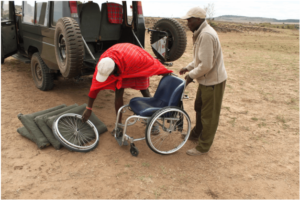
Physical Accessibility Considerations Beyond Wheelchairs
While wheelchair accessibility receives primary focus, comprehensive accessible safaris address diverse mobility challenges beyond wheelchair use. Travelers with limited walking endurance, balance difficulties, or conditions requiring frequent rest benefit from safari designs that minimize walking distances, provide ample rest opportunities, and allow flexible pacing without group pressure.
Some safari itineraries incorporate activities specifically suited to various mobility levels. Boat safaris on rivers or lakes provide wildlife viewing without physical demands, offering peaceful alternatives to bumpy game drives. Scenic flight-seeing by helicopter or small aircraft enables aerial perspectives of landscapes and migrations, creating memorable experiences without accessibility barriers. Cultural visits to Maasai villages or local communities can be arranged at accessible locations, providing authentic cultural encounters without challenging terrain navigation.
Photography-focused safaris particularly suit travelers with limited mobility, as successful wildlife photography often requires patience and stillness rather than physical exertion. Accessible hide locations overlooking waterholes or known animal pathways enable stunning photographic opportunities, with wheelchair users enjoying stable positions ideal for telephoto lens work and extended observation periods.
Pre-Trip Planning and Communication
Successful wheelchair accessible Tanzania safaris require thorough advance planning and detailed communication between travelers and operators. Begin by honestly assessing your specific mobility requirements, assistance needs, and any medical considerations that might affect your safari. Different individuals using wheelchairs have vastly different capabilities and requirements; some are fully independent while others require varying levels of assistance with transfers, personal care, or equipment management.
Communicate these details explicitly with your chosen safari operator, providing information about your wheelchair type and dimensions, whether you can transfer from wheelchair to vehicle seats, any special medical equipment or supplies you require, dietary needs or medication schedules, and whether you’re traveling with a personal care assistant. This information enables operators to make appropriate arrangements and avoid surprises that could compromise your experience.
Medical preparations deserve special attention. Consult your physician well before departure, discussing your travel plans and obtaining necessary vaccinations and preventive medications. Carry comprehensive medical documentation including prescriptions for all medications, letters explaining medical equipment that might raise security questions, and emergency contact information for your physicians. Tanzania’s major cities have adequate medical facilities, but remote safari areas lack advanced care, making proper medical preparation essential.
Costs and Value Considerations
Wheelchair accessible Tanzania safaris typically command premium pricing compared to standard safaris, reflecting the specialized equipment, trained staff, limited accessible accommodation options, and additional logistical complexity involved. Modified vehicles cost significantly more than standard safari Land Cruisers, accessible lodges invest heavily in proper infrastructure, and specialized operators dedicate substantial resources to accessibility expertise.
However, this premium investment delivers genuine value through experiences that would otherwise remain inaccessible. The confidence of knowing that every element has been carefully planned for accessibility, the dignity of participating fully rather than watching from the sidelines, and the empowerment of achieving dreams once thought impossible justify the additional cost for most travelers. Many find that accessible safaris represent better value than standard options precisely because of the extra care and attention devoted to ensuring positive experiences.
Some cost-reduction strategies exist without compromising accessibility. Traveling during shoulder seasons (March-May, November) often provides lower rates while maintaining good wildlife viewing. Shorter itineraries focusing on parks with better accessibility infrastructure reduce costs while ensuring quality experiences. Joining scheduled accessible group departures, when available, shares costs across multiple travelers, though private safaris offer greater flexibility for individual needs.
Rights, Advocacy, and Setting Expectations
Understanding your rights as a traveler with disabilities helps navigate accessibility challenges productively. While Tanzania lacks comprehensive disability rights legislation comparable to the Americans with Disabilities Act, the country has made commitments to accessibility through international conventions and growing awareness of inclusive tourism benefits. However, accessibility standards and enforcement remain inconsistent, making advanced research and communication absolutely critical.
Set realistic expectations about accessibility limitations in wilderness environments. Even the most committed accessible safari operators cannot make every location fully accessible; some spectacular viewpoints require hiking, certain game viewing areas feature unavoidable rough terrain, and wildlife unpredictability means planned accessible activities may require modification. Flexibility, patience, and positive attitudes help navigate inevitable challenges while maintaining focus on remarkable experiences that are accessible.
Advocacy helps improve accessible safari options for future travelers. Providing detailed feedback to operators about what worked well and what could be improved, sharing experiences through travel reviews highlighting accessibility features, and supporting operators demonstrating genuine accessibility commitment encourages continued investment in inclusive tourism infrastructure.
Conclusion
Wheelchair accessible Tanzania safari represent one of travel’s most inspiring evolutions, transforming once-impossible dreams into achievable realities for travelers with mobility challenges. While accessibility in African wilderness environments presents legitimate challenges, dedicated operators, improved infrastructure, modified vehicles, and trained staff have created genuine opportunities for wheelchair users to experience Tanzania’s extraordinary wildlife, landscapes, and cultures.
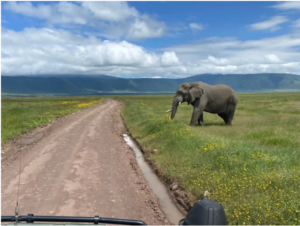
The journey requires more planning, communication, and financial investment than standard safaris, but the rewards justify these additional efforts. Witnessing elephants against Kilimanjaro’s backdrop, watching lions survey their territory from kopje outcrops, observing the great migration’s dramatic river crossings, and experiencing African sunsets painting savannah skies—these transformative moments belong to all travelers regardless of physical ability.
Success depends on selecting experienced accessible safari operators, communicating needs clearly and completely, maintaining realistic expectations about wilderness accessibility limitations, and approaching challenges with flexibility and positive perspectives. The accessible safari industry continues evolving, with improving infrastructure, growing operator expertise, and expanding options creating increasingly seamless experiences.
For travelers who’ve wondered whether African safari dreams could become reality despite mobility challenges, the answer resounds clearly: yes, absolutely, unequivocally. Wheelchair accessible Tanzania safaris prove that adventure, wonder, and connection with nature transcend physical limitations. They demonstrate tourism’s power to include rather than exclude, to empower rather than restrict, and to create transformative experiences accessible to every traveler willing to embark on the journey. Your African adventure awaits—all you need is the courage to begin planning it.
Key Takeaways
- Accessibility is Achievable: Tanzania offers genuine wheelchair accessible safari options through specialized operators, modified vehicles, and accessible lodges, making African wildlife experiences attainable for travelers with mobility challenges.
- Specialized Operators are Essential: Success requires booking with experienced accessible safari companies that understand disability needs, maintain modified equipment, and have relationships with truly accessible properties.
- Vehicle Modifications Matter Critically: Purpose-built accessible safari vehicles with hydraulic lifts, secured wheelchair positions, and optimal viewing configurations enable full participation in game drives and wildlife viewing.
- Accommodation Options Exist But Are Limited: While only a small percentage of Tanzania lodges offer genuine accessibility, several quality properties feature comprehensive accessibility including roll-in showers, wide doorways, and level access throughout.
- Planning and Communication are Paramount: Successful accessible safaris require thorough advance planning, honest communication about specific needs, and detailed coordination with operators to ensure appropriate arrangements.
- Certain Parks Offer Better Accessibility: Ngorongoro Crater, Tarangire, and Lake Manyara provide more accessible opportunities than more remote or rugged parks, allowing strategic itinerary planning.
- Costs Reflect Specialized Requirements: Accessible safaris command premium pricing due to modified equipment, trained staff, and limited accommodation options, but deliver genuine value through carefully planned inclusive experiences.
- Flexibility Enhances Success: Wildlife unpredictability and wilderness environments require flexible attitudes and realistic expectations, with focus on achievable experiences rather than frustration over limitations.
Frequently Asked Questions
Q: Can wheelchair users really experience authentic Tanzania safaris, or are accessible options just token gestures?
A: Wheelchair users can absolutely experience authentic, high-quality Tanzania safaris that rival standard safari experiences. While accessible options are more limited than standard safaris, specialized operators provide genuine wildlife viewing through modified vehicles, accessible lodges in excellent locations, and carefully planned itineraries that prioritize achievable highlights. The key is selecting experienced accessible safari operators who design trips around accessibility rather than trying to retrofit standard itineraries.
Q: Which Tanzania national parks are most accessible for wheelchair users?
A: Ngorongoro Conservation Area offers the best accessibility, with the crater rim providing spectacular panoramic views and certain crater floor areas accommodating modified vehicles. Tarangire National Park features several accessible lodges and relatively flat game viewing areas. Lake Manyara National Park provides accessible shoreline viewing. The Serengeti, while more challenging, includes some accessible regions and lodges. Each park presents different accessibility levels requiring detailed planning with specialized operators.
Q: What types of wheelchairs work best for Tanzania safaris?
A: Sturdy manual wheelchairs with puncture-resistant tires work well for most accessible safari situations, as they’re manageable on lodge pathways and can be secured in modified vehicles. Lightweight travel wheelchairs ease transportation but may struggle on rough surfaces. Power wheelchairs require careful planning regarding battery charging, weight capacity of vehicles and ramps, and terrain suitability. Discuss your specific wheelchair with operators during planning to ensure compatibility with vehicles and accommodation.
Q: Do I need to travel with a personal care assistant, or can safari operators provide assistance?
A: This depends entirely on your individual needs and level of independence. Many wheelchair users travel independently on accessible safaris, handling all personal care themselves. Others bring family members or personal care assistants. Safari operators can provide assistance with wheelchair pushing, transfers in some cases, and general logistics, but they typically don’t provide intimate personal care assistance. Communicate your specific needs honestly with operators to determine whether traveling with a dedicated assistant is advisable.
Q: How much more expensive are wheelchair accessible Tanzania safaris compared to standard safaris?
A: Accessible safaris typically cost 20-40% more than comparable standard safaris, reflecting specialized equipment, limited accessible accommodation options, and additional logistical requirements. A mid-range 7-day accessible safari might cost $4,000-6,000 per person compared to $3,000-4,500 for standard equivalents. Luxury accessible safaris can exceed $8,000-12,000 per person. The premium varies based on specific accessibility requirements, group size, accommodation choices, and whether you’re booking private versus potentially shared accessible departures.
Q: What accessible bathroom facilities can I expect at safari lodges?
A: Truly accessible lodges feature roll-in showers with shower seats and handheld showerheads, grab bars near toilets and in bathing areas, raised toilet seats or comfort-height toilets, adequate turning radius for wheelchair maneuvering (typically 5 feet), slip-resistant flooring, and accessible sink heights. However, accessibility standards vary widely, and not all lodges claiming accessibility meet comprehensive standards. Request detailed photos and specific measurements of accessible rooms during planning, and work with operators who’ve personally inspected facilities.
Q: Can wheelchair users participate in activities beyond game drives?
A: Yes, several safari activities suit various mobility levels. Boat safaris on rivers or Lake Victoria provide wildlife viewing without accessibility barriers. Scenic helicopter flights offer aerial perspectives of migrations and landscapes. Cultural visits to accessible Maasai communities enable authentic encounters. Photography-focused experiences from accessible hides or lodges allow incredible wildlife observation. Some operators arrange accessible hot air balloon experiences, though this requires individual assessment. Discuss your interests with operators to identify suitable activity options.
Q: What medical facilities are available if health issues arise during an accessible safari?
A: Major Tanzanian cities like Arusha and Dar es Salaam have adequate hospitals and medical facilities, with some offering international-standard care. However, remote safari areas lack advanced medical infrastructure, with nearest hospitals often several hours away. Medical evacuation insurance is absolutely essential for accessible safari travelers. Carry comprehensive medical documentation, adequate medication supplies (with extras for delays), and maintain communication with your home physicians. Discuss medical contingency plans explicitly with safari operators during planning.
Q: How do I find reputable wheelchair accessible Tanzania safari operators?
A: Research specialists in accessible African safaris through disability travel organizations, accessible travel forums and review sites, recommendations from others who’ve completed accessible safaris, and direct inquiries to Tanzania tour operators specifically about accessibility expertise. Evaluate operators based on their experience with accessible safaris (not just general safari experience), maintained modified vehicles and equipment, relationships with genuinely accessible properties, and willingness to provide detailed accessibility information and references. Avoid operators who seem vague about accessibility specifics or promise universal accessibility.
Q: What’s the best time of year for wheelchair accessible Tanzania safaris?
A: The dry season (June through October) offers the best game viewing and easiest accessibility, with drier conditions improving pathway and road conditions, wildlife concentrated around water sources for easier viewing, and minimal rain reducing mud and slippery surface concerns. However, this peak season means higher prices and advance booking requirements. The shoulder seasons (January-February for southern Serengeti, November) provide good wildlife viewing with lower costs and fewer crowds, though some afternoon rain is possible. Green season (March-May) offers the lowest prices but presents more accessibility challenges due to wet conditions affecting pathways and roads.

 offers the lowest prices but presents more accessibility challenges due to wet conditions affecting pathways and roads.)